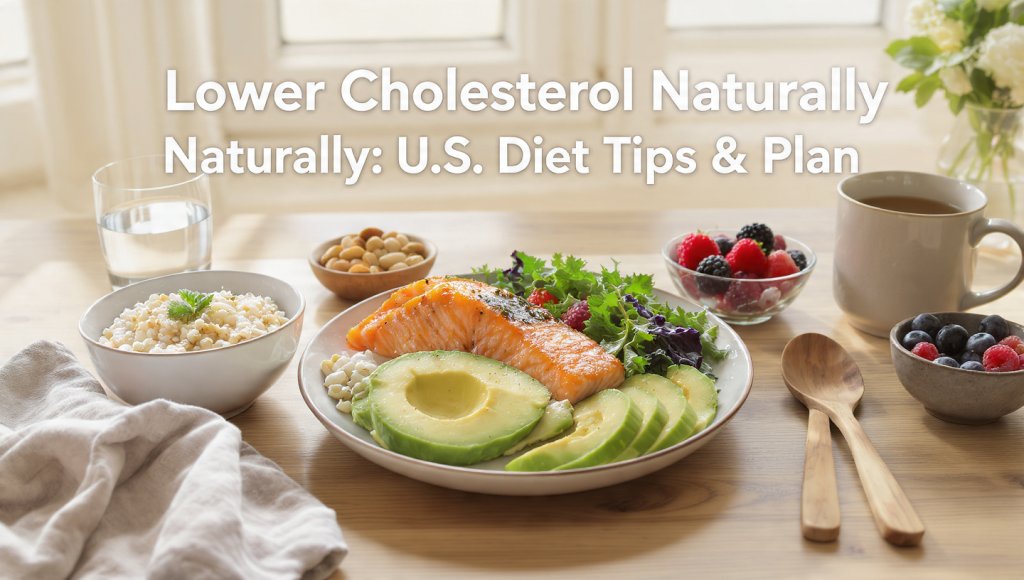
Lower Cholesterol Naturally: U.S. Diet Tips & Plan: Discover a simple, effective U.S. diet plan to lower cholesterol naturally. Get heart-healthy food lists, meal ideas, and lifestyle tips you can start today.
Introduction: The Cholesterol Conversation So Many of Us Are Having
You sit in the doctor’s office, the crinkly paper of the exam table shifting under you. The doctor flips through your chart and says those words: “Your cholesterol levels are a bit high.” Suddenly, your mind is filled with questions. Does this mean a lifetime of bland, unappetizing food? Are expensive medications your only option? What does this mean for your long-term health?
If this scenario feels familiar, please know two things: you are not alone, and you have more control over this situation than you might think.
Consider this: nearly 94 million American adults have total cholesterol levels higher than what is considered healthy. (Source: Centers for Disease Control and Prevention). That’s over a third of the adult population. High cholesterol is one of the most common health conversations happening in clinics across the country, but it’s a conversation that often leaves people feeling confused and powerless.
This article is designed to change that. This is your comprehensive, friendly, and practical guide to lowering your cholesterol through natural, sustainable dietary choices. We will move beyond the scary headlines and confusing jargon. Instead, we’ll focus on a step-by-step action plan built around foods you can easily find in any American grocery store. We’ll explore the “why” behind the recommendations, provide dozens of “how-to” ideas, and empower you with the knowledge to take charge of your heart health. This isn’t about a short-term diet; it’s about building long-term habits for a healthier, vibrant life.
Cholesterol Demystified: It’s Not Just a “Bad” Number
Before we dive into solutions, let’s clear up a major point of confusion. We often talk about cholesterol as if it’s a single, harmful substance. In reality, cholesterol is a waxy, fat-like material that your body actually needs. It’s used to build cell membranes, produce hormones like estrogen and testosterone, and create vitamin D. The problem isn’t cholesterol itself—it’s the type and amount of cholesterol in your blood.
Think of your bloodstream as a complex highway system. Cholesterol can’t travel alone; it needs to be carried by proteins called “lipoproteins.” These are the delivery trucks of your circulatory system. The key is to have the right kind of trucks on the road.
- LDL (Low-Density Lipoprotein): The “Lousy” Cholesterol. Imagine a fleet of clumsy, overstuffed delivery trucks. As they rumble down your arterial highways, they tend to drop sticky, fatty packages (plaque) along the walls. Over time, this plaque builds up, narrowing the roads, causing traffic jams, and increasing your risk for heart attacks and strokes. This is the “bad” cholesterol you want to lower.
- HDL (High-Density Lipoprotein): The “Helpful” Cholesterol. Now, imagine a fleet of efficient cleanup crews. These HDL trucks cruise the same highways, picking up the dropped LDL packages and transporting them back to the liver for disposal. The liver then processes and removes them from your body. This is the “good” cholesterol you want to raise.
- Triglycerides: The Stored Fat. While not a cholesterol, triglycerides are another type of fat in your blood. When you eat more calories than you burn, your body converts the excess into triglycerides and stores them in fat cells. High levels are also a risk factor for heart disease.
The ultimate goal of a cholesterol-friendly diet is straightforward: reduce the number of “lousy” LDL trucks on the road and increase the fleet of “helpful” HDL cleanup crews. The food you eat is the most powerful tool you have to direct this traffic.
Your 4-Step Dietary Action Plan to Lower Cholesterol
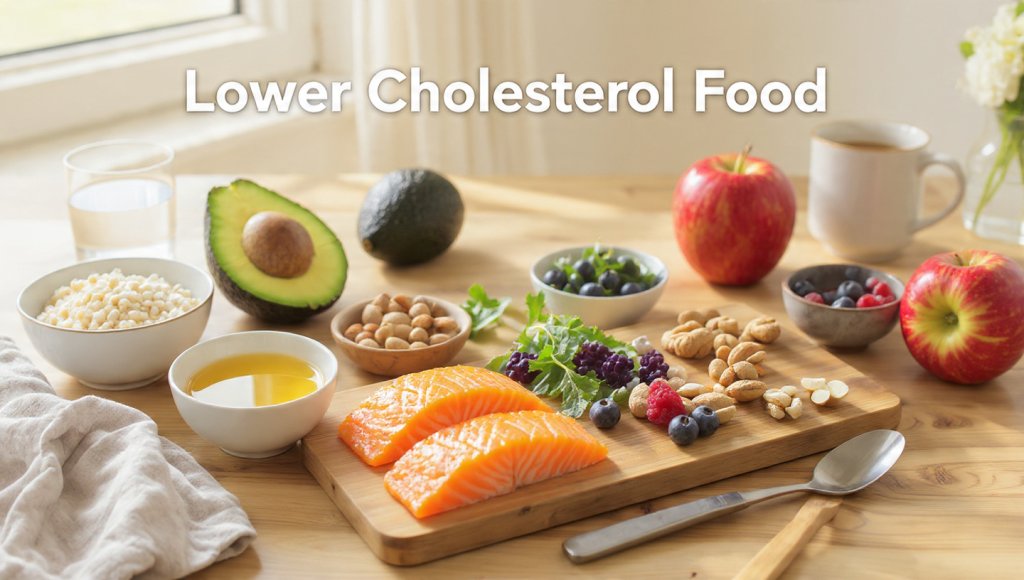
Transforming your diet can feel overwhelming. That’s why we’re breaking it down into four manageable, powerful steps. You don’t need to master them all at once. Focus on one step per week, and before you know it, these changes will become second nature.
Step 1: Make Soluble Fiber Your Best Friend
If there was a magic bullet for lowering LDL cholesterol, soluble fiber would be it. This type of fiber dissolves in water to form a gel-like substance in your digestive tract. Think of this gel as a powerful sponge or a sticky net. As it moves through your intestines, it binds to cholesterol molecules, preventing them from being absorbed into your bloodstream. Instead of clogging your arteries, the cholesterol is simply carried out of your body.
How to Add More Soluble Fiber to Your U.S. Diet:
- Start Your Day with Oats or Barley: A bowl of old-fashioned oatmeal or a barley breakfast bowl is one of the easiest and most effective ways to start your day. Don’t like mush? Try using whole oat groats for a chewier texture.
- Embrace the Power of Beans and Lentils: These are some of the most potent sources of soluble fiber. They are also incredibly versatile and budget-friendly.
- Idea: Add a can of rinsed kidney beans to your favorite chili recipe.
- Idea: Toss chickpeas into your salads or roast them with olive oil and spices for a crunchy snack.
- Idea: Make a big batch of lentil soup for easy weekday lunches.
- Snack and Cook with Fruits and Vegetables:
- Apples, Pears, and Citrus Fruits: The pectin in these fruits is a powerful type of soluble fiber. Eat them with the skin on for extra insoluble fiber.
- Brussels Sprouts, Broccoli, and Sweet Potatoes: These vegetables are not only packed with nutrients but are also excellent sources of soluble fiber.
- Consider a Fiber Supplement: If you’re struggling to get enough from food, psyllium husk (found in products like Metamucil) is a highly effective option. You can mix a powder into a glass of water or a smoothie.
Step 2: Master the Art of Fats: The Good, The Bad, and The Ugly
For decades, we were told that “fat is bad.” We now know this is a drastic oversimplification. The truth is, eating the right kinds of fat is essential for heart health and lowering cholesterol. It’s all about making smart swaps.
Fats to LIMIT or AVOID:
- Saturated Fats: These fats, found mostly in animal products, tell your liver to produce more “lousy” LDL cholesterol.
- Sources: Fatty cuts of red meat (ribeye, T-bone), processed meats (sausage, bacon, hot dogs), full-fat dairy products (whole milk, butter, cheese), and tropical oils like coconut and palm oil.
- Trans Fats: These are the worst fats for your cholesterol profile. They not only raise your LDL but also lower your HDL.
- Sources: Although largely banned, they can still be found in small amounts in some fried foods and commercially baked goods. Check ingredient lists for “partially hydrogenated oils.”
Fats to EMBRACE and ENJOY:
- Unsaturated Fats (The Heart-Healthy Heroes): These fats help reduce LDL levels and can increase HDL. They also fight inflammation.
- Monounsaturated Fats:
- Sources: Olive oil, canola oil, avocados, and nuts (almonds, peanuts, cashews).
- Simple Swap: Use avocado mash instead of mayonnaise on your sandwich. Use olive oil for sautéing and in salad dressings.
- Polyunsaturated Fats (including Omega-3s):
- Sources: Fatty fish (salmon, mackerel, herring, tuna), walnuts, flaxseeds, and sunflower seeds.
- Simple Swap: Aim for two servings of fatty fish per week. Sprinkle ground flaxseed on your oatmeal or yogurt.
- Monounsaturated Fats:
Step 3: Harness the Power of Plant Sterols and Stanols
Plants have their own version of cholesterol, called sterols and stanols. These compounds are so similar in structure to human cholesterol that they compete for absorption in your digestive system. When you eat plant sterols and stanols, they essentially “block” the spots that would otherwise be taken by the cholesterol from your food, leading to less cholesterol entering your bloodstream.
How to Incorporate Them:
- Fortified Foods: The most effective way to get a cholesterol-lowering dose is through fortified foods. Look for specific brands of orange juice, yogurt drinks, and spreads (like Benecol® or Promise Activ®) that are marketed for cholesterol health.
- Natural Sources: You can also find smaller amounts naturally in foods like vegetable oils, nuts, seeds, whole grains, fruits, and vegetables. While the amounts are lower, eating these foods contributes to an overall heart-healthy diet.
Step 4: Make Smart, Lean Protein Choices
Protein is essential, but the source matters tremendously for your cholesterol. Shifting your focus from red meat to leaner and plant-based options is a game-changer.
Protein Swaps for a Healthier Heart:
- Instead of a Ribeye Steak: Try a grilled salmon steak or a skinless chicken breast.
- Instead of Ground Beef in Tacos or Pasta Sauce: Use lean ground turkey (93/7) or lentils. Lentils will absorb the flavors of your spices beautifully.
- Instead of a Cheese-Heavy Omelet: Make an egg-white scramble with two whole eggs, loaded with spinach, mushrooms, and a sprinkle of feta cheese.
- Incorporate “Meatless Mondays”: Dedicate one day a week to exploring plant-based proteins like tofu, tempeh, or a hearty black bean burger.
A Week of Heart-Healthy, U.S.-Friendly Eating
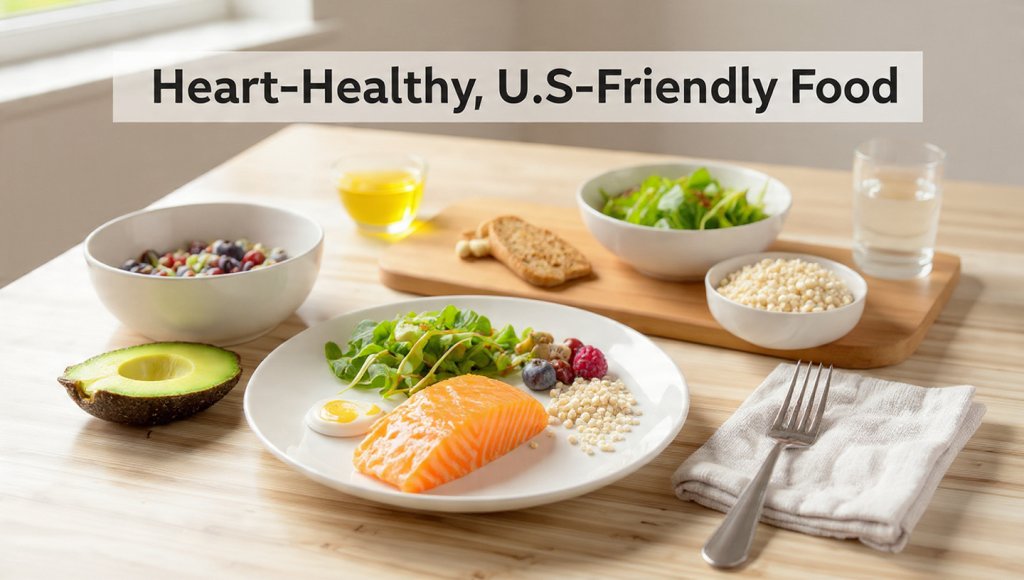
Putting all these steps together can look delicious and satisfying. Here’s a sample day of eating to inspire you:
- Breakfast: A bowl of oatmeal made with low-fat milk, topped with a handful of blueberries, a tablespoon of chopped walnuts, and a teaspoon of ground flaxseed.
- Lunch: A large “power” salad with mixed greens, grilled chicken breast, chickpeas, cucumbers, and an avocado. Dress with a simple vinaigrette of olive oil, lemon juice, and herbs.
- Dinner: Baked salmon with a honey-dijon glaze, served with a side of quinoa and roasted asparagus drizzled with olive oil.
- Snacks: An apple with a tablespoon of almond butter, or a cup of plain Greek yogurt with a sprinkle of berries.
Beyond the Plate: Essential Lifestyle Partners for Lower Cholesterol
What you eat is the cornerstone, but it works best when paired with other heart-healthy habits.
- Get Moving: Regular physical activity is a proven way to raise your “good” HDL cholesterol. You don’t need to become a gym rat. A brisk 30-minute walk, a bike ride, or a swimming session most days of the week can make a significant difference.
- Work Toward a Healthy Weight: Carrying excess weight, especially around the midsection, can contribute to higher LDL and triglyceride levels. The good news is that you don’t need to achieve a perfect weight to see benefits. Losing just 5-10% of your body weight can dramatically improve your cholesterol numbers.
- Quit Smoking: This is one of the most powerful things you can do for your heart. Smoking damages the walls of your blood vessels, making them more susceptible to plaque buildup. It also lowers your HDL cholesterol. Quitting can reverse these effects and significantly improve your heart health.
Your Grocery Store Game Plan
Navigating the supermarket can be tricky. Here’s how to shop smart:
- Shop the Perimeter: This is where you’ll typically find the fresh, whole foods—produce, lean meats and fish, and dairy. Spend most of your time here.
- Become a Label Detective in the Inner Aisles: When you do venture into the center for staples, read the Nutrition Facts label.
- Check Saturated and Trans Fat: Aim for products with the lowest amounts of these.
- Look for Fiber: Choose breads, cereals, and pastas with at least 3-5 grams of fiber per serving.
- Don’t Shop Hungry: This old advice is true! When you’re hungry, you’re more likely to make impulsive, less healthy choices.
FAQs: Your Top Cholesterol Questions, Answered
Q: I’ve heard mixed things about eggs. Are they okay to eat?
A: For the majority of people, the dietary cholesterol in eggs (about 186 mg in one yolk) has a much milder effect on blood cholesterol than the saturated fat found in processed meats and fatty dairy. For most, eating one egg per day is considered safe and part of a balanced diet. If you have diabetes or heart disease, it’s best to consult your doctor for personalized advice.
Q: How long will it take to see a difference in my cholesterol levels through diet?
A: Most people will see a noticeable improvement in their cholesterol levels within 4 to 6 weeks of making consistent dietary changes. It’s a gradual process, but the results are well worth the effort.
Q: Can I still eat at restaurants?
A: Absolutely! The key is being mindful. Look for menu items that are grilled, baked, broiled, or steamed instead of fried. Ask for dressings and sauces on the side. Choose a side of steamed vegetables or a baked potato instead of french fries. Don’t be afraid to ask how a dish is prepared.
Q: Is dark chocolate really good for cholesterol?
A: In moderation, yes! Dark chocolate (with 70% or higher cocoa content) contains flavonoids, antioxidants that can help lower LDL. However, it’s also high in calories and saturated fat, so a small square a day is enough—not a whole bar.
Conclusion: You Hold the Key to Your Heart Health
Receiving a high cholesterol diagnosis can feel like a life sentence. But we invite you to see it for what it truly is: a powerful opportunity. It’s a chance to pause, listen to your body, and make conscious, positive choices that will pay dividends for the rest of your life.
You don’t need to be perfect. You just need to be persistent. Start with one oatmeal breakfast. Try one new bean recipe. Take one extra walk this week. Each small victory builds upon the last, creating a foundation of health that is both strong and sustainable.
Your heart is a remarkable muscle that works tirelessly for you, beat after beat, day after day. You now have the knowledge and the simple, practical plan to care for it in return.
Disclaimer: This article is for informational and educational purposes only and does not constitute medical advice. The information provided is not a substitute for professional medical expertise, diagnosis, or treatment. Always consult with your physician or another qualified healthcare provider before making any significant changes to your diet, fitness routine, or medication, and with any questions you may have regarding a medical condition.