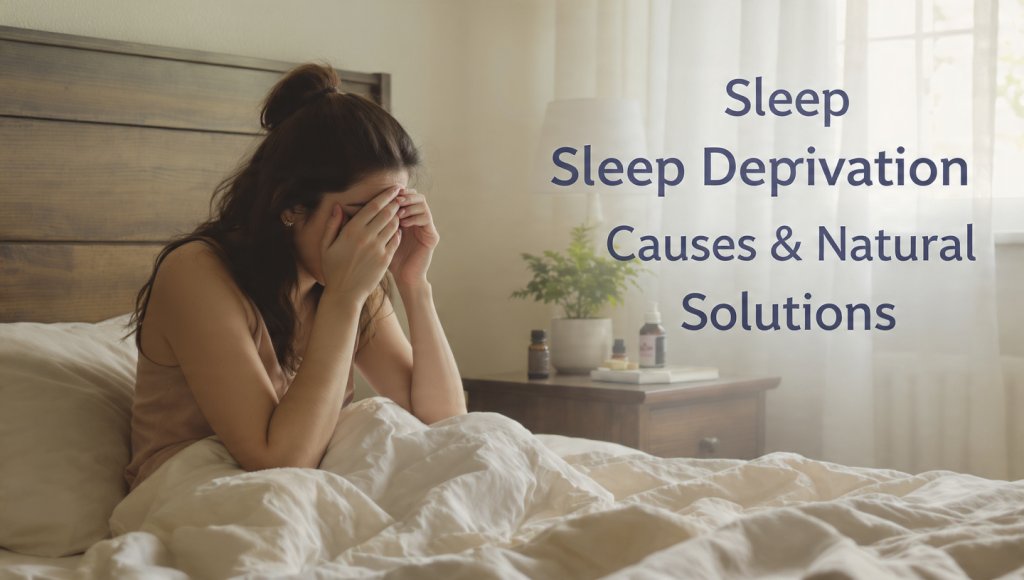
Sleep Deprivation Causes & Natural Solutions Struggling with sleep? Discover the real causes of sleep deprivation and learn powerful, natural remedies for deep, restorative rest. Feel better tomorrow.
Introduction: The Tired Truth
It’s 2 AM. Your body is exhausted, but your mind is wide awake. You watch the clock, counting down the hours until your alarm blares. Tomorrow, you’ll face the day feeling foggy, grumpy, and drained.
If this is your nightly battle, you are in good company. Sleep deprivation is a silent epidemic sweeping across the country.
In fact, about 1 in 3 American adults don’t get enough sleep on a regular basis. (Source: Centers for Disease Control and Prevention).
This article is your guide to understanding why this happens and how you can fight back—naturally. We will explore the real causes of sleeplessness and provide simple, step-by-step solutions you can try tonight. No fancy pills, just practical wisdom.
Let’s find your path back to peaceful sleep.
Why Can’t America Sleep? The Real Causes
We often think sleep problems are all in our heads. But the reasons are usually rooted in our daily habits and modern world. Let’s break down the biggest sleep stealers.
The “Always-On” Digital World
Our phones and laptops are amazing, but they are also great at stealing our sleep. The blue light from these screens is a powerful signal to our brains.
It tells your brain that it’s still daytime. This stops the production of melatonin, the hormone that makes you feel sleepy.
Think of it like this: scrolling through your phone in bed is like drinking a cup of coffee right before you try to sleep. It wakes you up instead of winding you down.
Stress and a Racing Mind
Work deadlines, money worries, family stress—this constant pressure keeps your body on high alert. This is driven by a stress hormone called cortisol.
When your cortisol levels are high at night, your body is in “fight or flight” mode. It’s ready to run from danger, not to close its eyes and rest. It’s hard to sleep when your body thinks it’s in trouble.
Our Daily Habits and Sleep Environment
Sometimes, we accidentally sabotage our own sleep without even realizing it.
- No Set Schedule: Going to bed at 10 PM one night and 1 AM the next confuses your body’s internal clock.
- Your Bed is Your Office: If you work, eat, and watch exciting shows in bed, your brain doesn’t know it’s just for sleep anymore.
- A Noisy, Bright Room: A room that isn’t dark, cool, or quiet can make it very hard to fall asleep and stay asleep.
What We Eat and Drink
The food and drinks we consume have a direct line to our sleep quality.
- Late-Day Caffeine: That coffee at 4 PM can still be in your system at 10 PM, making it hard to wind down.
- Evening Alcohol: A drink might make you feel sleepy at first, but it often leads to waking up in the middle of the night.
- Heavy Meals Before Bed: Your body is too busy digesting a big meal to fully relax and fall into a deep sleep.
Your Natural Sleep Solution Plan
Fixing your sleep doesn’t have to be complicated. Small, consistent changes can make a huge difference. Here is a simple, step-by-step plan you can start tonight.
Step 1: Become the Boss of Your Sleep Schedule
Your body loves a predictable routine. This is one of the most powerful tools for better sleep.
Try to go to bed and wake up at the same time every day. Yes, even on weekends!
This consistency trains your body’s internal clock. After a while, you might start waking up naturally, feeling truly refreshed.
Step 2: Create a Calming Bedtime Ritual
A relaxing routine tells your brain that the work of the day is done. Start this about 30-60 minutes before you want to be asleep.
- Unplug and Power Down: Turn off all TVs, phones, and tablets. Let your brain relax without new information.
- Read a Real Book: The light from a screen is stimulating, but the gentle activity of reading a paper book can be very calming.
- Take a Warm Bath or Shower: The rise and then fall of your body temperature after a bath can trigger sleepiness.
- Try Deep Breathing or Gentle Stretching: Just five minutes of slow, deep breaths can quiet a busy mind and relax your body.
Step 3: Turn Your Bedroom into a Sleep Sanctuary
Your bedroom environment is crucial. You want it to feel like a cave designed for perfect rest.
- Keep it Cool and Dark: The ideal temperature for sleep is around 65°F (18°C). Use blackout curtains or an eye mask to block out light.
- Make it Quiet: If noise is a problem, try a white noise machine or a fan to create a steady, soothing sound.
- Your Bed is for Sleep Only: Strengthen the connection in your brain between your bed and sleep. Avoid working or watching thrilling movies in bed.
Step 4: Use Food and Nature to Your Advantage
Mother Nature offers some wonderful, gentle aids for sleep.
- Sip Chamomile Tea: This classic bedtime tea is famous for its calming properties.
- Try Tart Cherry Juice: It’s a natural source of melatonin. A small glass in the evening can help guide your body toward sleep.
- Eat Magnesium-Rich Foods: Foods like almonds, spinach, and bananas can help relax your muscles and nerves.
- Finish Eating Early: Try to have your last big meal 2-3 hours before bedtime so your body isn’t busy digesting.

The Amazing Benefits of a Good Night’s Sleep
When you start sleeping well, you won’t just feel less tired. Your entire life can improve. Here’s what you have to look forward to:
- A Sharper Mind: You’ll think more clearly, remember things better, and focus more easily.
- A Happier Mood: Getting enough sleep helps you feel less irritable and more patient. It’s a natural mood booster.
- A Stronger Body: Sleep supercharges your immune system, helping you fight off colds and flu.
- Better Health: Consistent sleep helps maintain a healthy heart and can even help you manage your weight.
Quick Tips for Better Sleep Tonight
- Get Morning Sunlight: Exposure to natural light within an hour of waking up helps reset your internal clock for the day.
- Move Your Body: Regular exercise, even a brisk 20-minute walk, dramatically improves sleep quality. Just avoid hard workouts right before bed.
- Don’t Force It: If you’ve been lying in bed for more than 20 minutes and can’t sleep, get up. Go to another room and do something calm (like reading) until you feel sleepy, then try again.

FAQs: Your Sleep Questions, Answered
Q: How many hours of sleep do I really need?
A: Most healthy adults need 7 to 9 hours of sleep per night. The right amount is what leaves you feeling alert and rested all day long.
Q: Are naps good or bad for you?
A: Short naps can be great! A 20-30 minute “power nap” in the early afternoon can boost your energy without messing up your nighttime sleep. Long or late naps can make it harder to fall asleep at night.
Q: What if I try all this and still can’t sleep?
A: If your sleep problems are severe and last for more than a few weeks, it’s very important to talk to a doctor. They can check for underlying conditions like sleep apnea or restless legs syndrome.
Q: Why do I always wake up at 3 AM?
A: Waking up in the middle of the night is very common. Often, it’s a sign of stress. If you can’t fall back asleep after 15-20 minutes, get out of bed and do a quiet, boring activity in dim light until you feel sleepy again.
Conclusion: You Can Reclaim Your Sleep
Sleep deprivation doesn’t have to be your normal. You have the power to change your habits and create a life that supports deep, healing rest.
You don’t have to do everything at once. Start with one small change tonight. Maybe it’s turning off your phone an hour earlier. Or perhaps it’s brewing a cup of chamomile tea.
Each small step is a victory. Each good night’s sleep is a gift to your future self.
You deserve to wake up feeling refreshed and ready to embrace the day. Your journey to better sleep starts with one peaceful night.
Disclaimer: This article is for educational purposes only and is not a substitute for professional medical advice. Always consult with your doctor or a qualified healthcare provider for any health concerns or before starting any new health-related practice.